
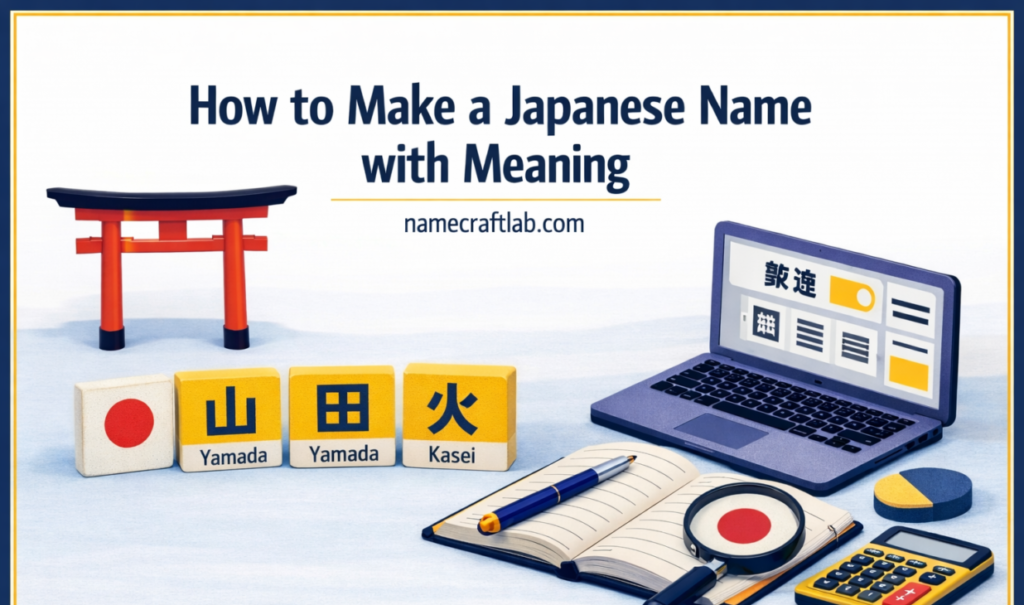
A Japanese name is more than just a label, it shapes identity and first impressions. In Japanese culture, a name often reflects meaning, nature, and values rather than just sound.
When understanding how to make a Japanese name, many people explore how a name in Japanese is structured, especially when learning how names are written using kanji characters in traditional and modern ways.
What Makes Japanese Names Special?
A Japanese name is deeply connected to japanese culture and language tradition. Unlike western names, where style often comes first, here meaning is more important than sound.
Many Japanese people believe a person’s name should reflect identity, nature, or family values, which is why many names are carefully designed using kanji characters.
Why Your Name Should Carry Meaning
A meaningful Japanese name is easier to remember and feels more natural in communication. A native Japanese speaker often understands deeper meaning just by seeing how the kanji used is written.
Create Your Japanese Name in Seconds
With NameCraftLab, you can easily generate a Japanese name based on meaning, sound, and authentic naming style. It helps you explore real Japanese name ideas in seconds without guesswork.
Even when foreign names are adapted into Japanese, they are carefully adjusted so the sound of the name still feels natural and respectful.
What Makes a Name Strong?
- Clear meaning
- Easy pronunciation
- Natural flow of japanese writing
Step 1: Choose a Meaning First
Every Japanese name begins with meaning. In Japanese language, names are often built around nature, emotions, or values.
When name comes from a strong idea, it becomes easier to create an original japanese name that feels real and connected to identity.
Step 2: Understand Name Order
In japanese name order, the family name first and given name first rule is important depending on context.
In traditional japanese style, the family name comes first, while in modern global use, the order may change for clarity.
Step 3: Using Kanji Correctly
Most Japanese names are written using kanji, often with two kanji characters forming a full meaning.
The way a name is written can change its meaning completely, especially when different kanji characters are selected.
Step 4: Sound and Style of Names
The name sounds in Japanese are simple and balanced. Many modern japanese names are short, easy to say, and meaningful.
Whether it is boy names, girl names, or male given names, the focus is always on clarity and natural flow.
Step 5: First Name, Last Name, and Structure
In Japanese structure, first name, last names, and family name manori (traditional naming references) follow cultural order.
A full name in Japan always reflects the order of japanese names, which is important in both daily life and official documents.
Step 6: Using Katakana and Foreign Names
When adapting foreign names, the japanese script used for foreign sounds is usually katakana.
This helps maintain pronunciation while fitting into japanese writing rules, especially in japanese video games and modern branding.
Step 7: Name Generators and Tools
Today, many people use name generators and a japanese name generator to create ideas quickly.
A japanese name converter can also help transform name ideas into proper kanji-based structures for an authentic and cool japanese name.
Step 8: Japanese Surnames and Family Identity
Japanese surnames and japanese last names are often linked to geography, history, or nature.
The japanese government historically recorded japanese family names carefully, which is why they carry strong cultural identity today.
Step 9: Modern vs Traditional Names
A good japanese name today can be either modern names or traditional japanese names depending on usage.
Some people prefer new names, while others follow original japanese naming traditions passed down through generations.
Step 10: Learning How Names Work
When learning japanese, understanding how a name without meaning differs from a meaningful one is important.
A normal japanese person sees names as more than words, they represent identity, family, and cultural history.
Step 11: Name Meaning and Usage
A name to represent identity should always feel natural and respectful in context.
Even names based on nature or emotions are carefully structured so they remain meaningful and culturally correct.
Step 12: Popular and Modern Naming Trends
Today, popular names in Japan often blend tradition with modern style.
Many japanese people prefer names that are simple but still meaningful, especially in digital platforms and media.
Step 13: Choosing the Right Name
When choosing names, it is important to understand how japanese names based on kanji change meaning completely.
A well-structured authentic given name always feels balanced and culturally aligned.
Step 14: Final Understanding of Japanese Names
A Japanese name generator or manual method both aim to help you get the name that fits identity and purpose.
Whether it is for japanese business, storytelling, or personal use, the structure always follows cultural meaning.
Key Takeaways
- Start with a clear meaning so your Japanese name reflects your identity and purpose.
- Use kanji carefully, as each character adds depth and real meaning to your name.
- Keep the name simple and natural so it feels easy to say and remember.
- Follow Japanese name order with family name first and given name second.
- Use a reliable Japanese name generator to create authentic and meaningful name ideas.
Final Thoughts
A strong Japanese name is not just about sound—it is about meaning, culture, and structure.
When you understand how kanji characters, japanese writing, and naming order work together, you can create an original japanese name that feels natural, meaningful, and truly authentic.
FAQ
What makes a good Japanese name generator?
The best generator is one that focuses on meaning, kanji, and real Japanese naming patterns instead of random words. It should help you understand how a Japanese name is formed in real culture. NameCraftLab helps you create natural Japanese names based on meaning and structure, so your username feels authentic and simple.
How can I create culturally accurate Japanese names for stories?
Culturally accurate Japanese names follow real naming logic, where names are built using kanji and based on nature, emotions, or values. When you understand how to make a Japanese name, your story characters feel more realistic and connected to Japanese culture.
How do I create my own Japanese name?
Start by choosing a meaning like peace, strength, or light, then shape it into a natural Japanese-style name using simple sound patterns. You can also use NameCraftLab to generate a Japanese name instantly based on meaning and kanji style, making the process simple and accurate.
What are some tools for generating authentic Japanese character names?
Japanese name generators and converters help turn ideas into real Japanese-style names using meaning and kanji structure. NameCraftLab is designed to create authentic Japanese names that feel natural, meaningful, and culturally correct.
Can I use Japanese names for branding or social media?
Yes, many people use Japanese names for branding, gaming, and social media to create a unique identity. Just make sure the name has real meaning and follows natural Japanese structure so it feels authentic and respectful.
