
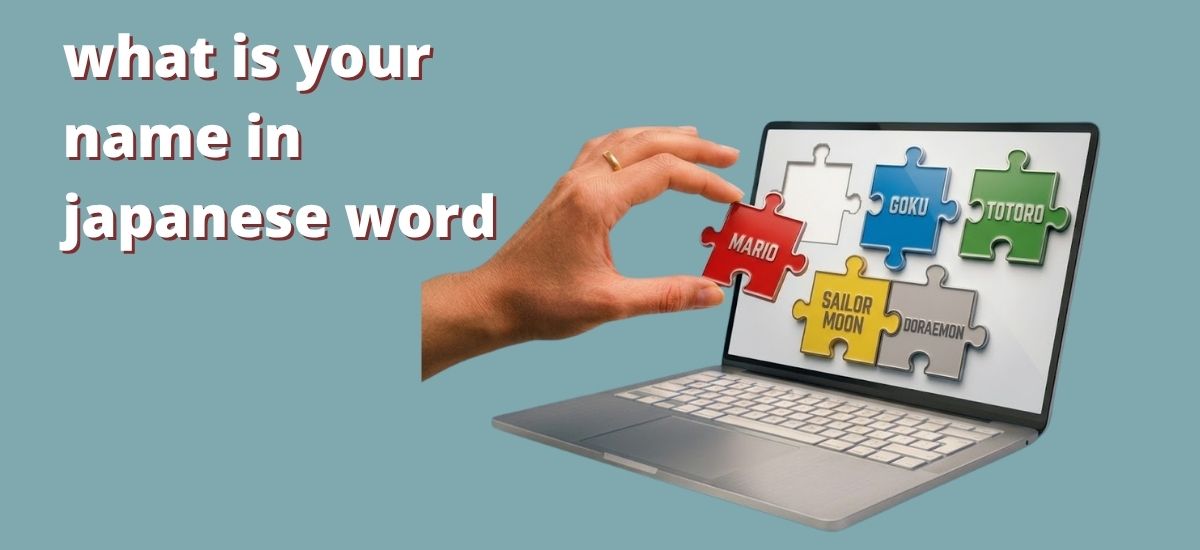
One of the first things you will want to learn is what is your name in japanese word because making a great first impression is essential for any traveler or student. If you are a beginner or a Japanese learner planning a trip to Japan you need to know how to properly introduce yourself and ask for someone’s name in a natural way. While an app or flashcards might give you a literal translation speaking like a native speaker requires understanding the culture and politeness levels used in Japanese.
At NameCraftLab we bridge this gap by helping you translate your identity into a proper Japanese script whether you are looking for anime names baby names or a professional business alias. Our tool is designed to provide accurate results for every situation. With our specialized platform you can find or create your name in Japanese by using unique filters that cater to your specific needs ensuring your chosen name sounds authentic to Japanese people.
Key Takeaways
- Diverse Categories Instantly generate male female and girls names with one click.
- Anime and Pop Culture Create unique anime names or characters for your creative projects.
- Custom Length Use our filters to choose between short and long name variations.
- Meaningful Kanji Discover the deep meanings behind different kanji combinations for baby names.
- Authentic Script Get your name written in Katakana for proper pronunciation.
- Seamless Translation A practical way to translate any English name into real Japanese.
What is Your Name in Japanese Translation The Art of Asking
In a standard conversation the most common way to ask for a name in Japanese is using the phrase Onamae wa nan desu ka. This phrase is polite and appropriate for most daily life situations. However native speakers often prefer a more casual expression among friends simply saying Onamae wa to sound less formal. Unlike English where we ask directly real Japanese communication relies on the context of the situation.
Formal vs Casual Introductions
The level of politeness changes based on who you are talking to so knowing when to use desu is a vital part of your introduction. While a foreigner might start with formal terms learning the casual way to ask helps you bond with friends more quickly.
Ready to Find Your Perfect Japanese Name
Don’t let your introduction get lost in translation. Use our advanced generator to create a natural name that fits your personality gender and style perfectly.
How to Say Your Name in Japanese and Introduce Yourself
When you learn how to say your own identity the most practical method for a foreigner involves the Katakana alphabet. Since your name likely isn’t native to Japan you must translate it into this phonetic script to ensure an accurate pronunciation. For example a student might say Watashi no name wa Name desu. While many people know that in everyday Japanese watashi is often dropped to sound more familiar simply stating your name followed by desu remains the standard.
Using Katakana for Foreign Names
Because the Japanese language uses a specific script for foreign words it is important to pronounce and write your name correctly using Katakana. This ensures that native speakers can read your name easily on business cards or documents.
How to Write My Name in Japanese Decoding Kanji and Katakana
At NameCraftLab we provide a natural variety of options ensuring your pronunciation remains clear and you can say your name with confidence. In Japan the family name always comes first. To truly know the depth of a Japanese identity you must learn the specific Kanji characters. Our platform serves as a powerful tool to help you learn Japanese naming conventions allowing you to filter through various titles and meanings to avoid a common mistake.
Choosing Meaningful Kanji Characters
If you are looking for a baby name or an anime character selecting the right Kanji is crucial. Each character carries a story and a specific sound. Our filters help you navigate these choices effortlessly.
Final Touch Use the Proper Tools for Success
Whether you are preparing for a business meeting or just curious about how to pronounce your name in a new language having the right introduction is key. Use this phrase next time you meet someone Hajimemashite which means Nice to meet you. Don’t just translate build a proper identity. Visit NameCraftLab today to start your journey and find the perfect name in Japanese that truly represents you through our natural easy to use filters.
FAQ
how to write my name in japanese?
Foreign names are written using a phonetic script called Katakana. This alphabet translates the sounds of your name into Japanese characters. To get an accurate translation that sounds natural to a native speaker you can use our tool to convert your English name into the proper Katakana or Kanji script.
How do you say Japanese "what is your name"?
The most standard and polite way to ask is Onamae wa nan desu ka. In a casual setting with friends you can simply say Onamae wa. Using the polite version is the best way for a beginner to show respect and avoid a social mistake during a trip to Japan.
how do you say what is your name in japanese
To say this naturally you use the phrase Onamae wa nan desu ka. While literal English translations might vary this is the most practical expression used in daily life. It ensures you are understood clearly by Japanese people while maintaining the appropriate level of politeness.
How do I introduce myself in Japanese?
The perfect introduction has three parts. Start with Hajimemashite (Nice to meet you) then say your name followed by desu and end with Yoroshiku onegaishimasu. This professional script is the standard way to introduce yourself in any social or business situation.
How do I create my own Japanese name?
You can create a custom identity by using the filters at NameCraftLab. Our tool lets you choose between male or female styles and filter by categories like anime names or baby names. You can even select specific Kanji and choose between short or long names to find a result that is both accurate and meaningful.
